John Piper’s New Coat
Posted: September 30, 2008 Filed under: Desiring God Conference 2008, John Piper Leave a commentJob
Posted: September 30, 2008 Filed under: John Piper 1 CommentFor those of you who are interested in John Piper’s new book, here is a video.
Devotion for Introduction to Apologetics
Posted: September 30, 2008 Filed under: Adoption Leave a commentPoint of Devotion – The Blessings/Privileges of Adoption- The believer of the gospel is blessed with privileges that give him the right to an eternal inheritance with the family of God.
Let’s read our passage for the devotion.
Romans 8:15 For you did not receive the spirit of slavery to fall back into fear, but you have received the Spirit of adoption as sons, by whom we cry, “Abba! Father!” 16 The Spirit himself bears witness with our spirit that we are children of God, 17 and if children, then heirs—heirs of God and fellow heirs with Christ, provided we suffer with him in order that we may also be glorified with him.
This is the Word of God…
This Spirit not only cries out in making us a part of God’s adopted family, but gives the believer blessings that he had never had before as a fallen man. For being the child of God is an experience like nothing you knew before in the fallen state and may not fully understand even now because how often the doctrine of adoption is overlooked. But when you see exactly what this adoption does for the believer and the blessings it provides, you can see that it is nothing but by the grace of God. From the moment of the time that the Spirit is poured into our hearts this confidence of adoption, it poured into us the privileges of adoption as well. These are to the believer nothing but blessings that they could have never imagined existed before the act of adoption.
I will list these blessings or privileges that are given at the time of our adoption so that you can grip overwhelming amount of delight that takes place in being adopted by God.
1. When we are adopted, “the Spirit himself bears witness with our spirit that we are children of God.” We have intimate fellowship with Christ and God because of this. (Gal. 4:7)
2. When we are adopted, not only is there this intimate fellowship but also there is the blessing of the guidance of this Spirit that cries “Abba, Father.” This how one knows he is a part of the family of God. (Rom. 8:14)
3. When we are adopted, it gives us another blessing. That this Spirit gives His presence to always assure the believer of their status as a child of God. (Rom. 8:16)
4. When we are adopted, it is a blessing that the believer who bears the Spirit that their heart is in perfect relationship with the Father, God. (Rom. 8:14)
5. When we are adopted, most of all, the privilege for believer is that they at the point of adoption now become heirs of God, which is a joint heir to Christ. (Rom. 8:17)
6. When we are adopted, his adopted family (us) is promised to one day after being redeemed in glory bear the likeness of Christ. (1 Jon. 3:2)
7. Lastly the blessing that the believer receives in adoption includes the inheritance of all things since the believer is adopted in being the sons of God. (1 Cor. 3:21-23)
For the believer, bearing the Spirit is nothing more than a blessing that deserves utmost praise to God for allowing us to partake in His family. I would ask of us, when was the last time we actually thought of our adoption, then even thanked our Father for such a plan that would allow him to take in illegitimate children like it.
This new relationship brings the believer into the household of faith. For the believer it is beautiful to know that they will belong to this family forever and ever and ever. God will care for his family and take care of them for eternity. This is why God sent his Son, Christ to die for the sins of His family, so we can have the highest blessing of the gospel, so that we can have the inheritance, this spiritual richness of being a part of the family of God. God gave us the gospel so that we could become children of God.
Desiring God 2008
Posted: September 29, 2008 Filed under: You Might be a Calvinist if..., You might be a Fundamentalist if Leave a commentYou might be a Calvinist if… You attended the Desiring God National Conference because Sinclair Ferguson was there.
You might be a Fundamentalist if… You don’t know Sinclair Ferguson…

Day Three of DG 2008
Posted: September 28, 2008 Filed under: Desiring God Conference 2008, My Travels 2 Comments
Day three, and the last for the conference. Waking up to my boss walking already out the door to head down to the conference center I awoke as fast as I could to get around and head downtown. For the four time, and maybe even the last in a long time I ate breakfast before the conference and then started to pack up and get checked out of the hotel. Waking to the center in a mist, I got there about 15 minutes before the last session began. I am not going to review, or even begin to try to talk about the session by Piper, because there was a number of times I was unable to follow along with his mind and I need to take the time once again tonight to listen to it once more. As for now below is a list of a few things (if interested) you can take the time to listen and read (John Piper’s sermon/speech given this morning).

John Piper- 5 Benefits of Christian Eloquence
1. Eloquence—that is, artistic, surprising, provocative, or aesthetically pleasing language—may keep people awake and focused because they find it interesting for reasons they can’t articulate.
2. Eloquence may bring an adversarial mind into greater sympathy with the speaker.
3. Eloquence may have an awakening effect on a person’s heart and mind short of regeneration, but still important in awakening in them emotional sensitivity to beautiful things.
4. Certain kinds of eloquence (cadence, parallelism, meter, rhyme, assonance, consonance) may not only add interest, but also increase impact by helping the memory.
5. The beauty of eloquence can join with the beauty of truth and increase the power of your words.
Desiring God Live Blog – Mike Anderson
Conference Book Recommendations
Check out this kids blog I found who had done a little blogging of some sessions. Or this one to. There may be more and you can let me know if there is, I just found these easily.
As for my top three events of the weekend, I’ll list them below and in order of how I believe them to have impacted my mind in thinking a number of different ways on the words I chose, and use.
#1 Mark Discroll’s message
#2 Sinclair Ferguson’s 20 Resolutions on Taming the Tongue
#3 Eating breakfast every morning (four in a row) for the first time since I was in grade school when my grandmother made me eat Marshmallow and Stars cereal every morning before school.

Individuality, and Its Opposite
Posted: September 28, 2008 Filed under: Sundays with Spurgeon Leave a commentit is a very delightful thing to feel that all the work we are doing is Jesus Christ’s work. All the sheep we have to shepherd are His sheep; the souls we have to bring to Him were bought with His blood; the spiritual house that is to be built is for His habitation. It is all His. I delight in working for my Lord and Master, because I feel a blessed community of interest with Him. That is not my Sunday-school, it is my Lord’s; and He says, “Feed My lambs.” It is not my church, but His; and He cries, “Feed My sheep.” Mine are His, and His are mine; yea, all are His. In the days when servants used to be servants, and were attached to their masters, one of our nobility had with him an old butler who had lived with his father, and was getting grey. The nobleman was often much amused with the way in which the good old man considered everything that was his master’s to be his own. I was not only pleased with the story, but it touched my heart when I heard it. His lordship once said to him, “John, whose waggon is that which has just come up loaded with goods?” “Oh!” said he, “that is ours. Those are goods from our town house.” His lordship smiled, and as a carriage came up the drive, he said, “John, whose coach is that coming into the park?” “Oh!” said he, “that is our carriage.” “But,” said the master, “there are some children in it, John; are they our children?” “Yes, my lord, they are our children, bless them, I will run, and bring them in.” My Lord Jesus, how dare I have the impertinence to claim anything which is Thine? And yet, when I gaze upon Thy Church, I am so completely Thy servant, and so wholly absorbed in Thee, that I look upon it as mine as well as Thine, and I go to wait upon Thy beloved ones. Yea, Lord, and all these my brethren are going, too. Come with us, Lord, for Thy love’s sake!
Day Two at DG 2008
Posted: September 28, 2008 Filed under: Desiring God Conference 2008, My Travels Leave a comment
Day two was grand! Waking up and eating breakfast for the third time in a row I personally cannot remember since I was a little kid! Even better it was a redneck one, sausage biscuits and gravy, my personal favorite. From there was a number of sessions and breaks to sell many of the RHB titles I took to the conference. Another great day I believe in sales. I would like to take the time to blog my thoughts about the conference and sessions but am not going to waste my time when you can read other blogs that have done so during the day. However I’ll give my personal three top highlights from the day.
#1 Mark Discroll’s message – Not because of the usual riskiness but just simply was clear and a must listen to for everyone!
#2 Paul Tripp’s message – Thinking about living for God’s kingdom and not my own, listen to the message!

#3 The Blog Open House – It was great to spend time with others that bloggers may not see, know, or get to talk to.
Take the time to check out the following
Ligonier West Coast Conference

Day One of DG 2008
Posted: September 27, 2008 Filed under: Desiring God Conference 2008, My Travels Leave a comment
Waking up this morning I ate breakfast for the second time in a row, which may be a first in years, and I mean literally years! My boss and I arrived downtown to unpack the SUV and start stacking books on our four tables in the Desiring God Bookstore. By noon we were done and began the search of a semi-cheap hamburger joint somewhere down town. After walking what seemed an hour in circles we finally asked as typical “out-of-townees” and stopped in at The Keys Cafe where I got my absolute favorite type of hamburger, BBQ & SLAW! This made up for the time well spent in searching for Steve’s (my boss) hamburger he “needed.” After doing so, I went back to get suited up for the conference and preparing myself for this years messages. People began to role in about 3pm and started to buy books right away! I was quite impressed by the numbers I sold on the first day and am looking forward to sales tomorrow. It was a great evening being able to catch up with old friends like Luke S. and Ben V. to talk about what old friends are doing now with their lives, and finding out about old friends that are getting married but never have seem to have the time to tell me! However the highlight of the night of course was Sinclair Ferguson message on James 3:1-12. There is not much to say, being that you can read or listen to it already on Desiring God’s website and read several blog post that I’ll list here for you below.
20 Resolutions on Taming the Tongue

The Tongue, the Bridle, and the Blessing: An Exposition of James 3:1-12

Desiring God Live Blog – Mike Anderson
Conference Book Recommendations
For tomorrow’s posting I am not sure how often or when I will be able to get on-line since the Internet prices are about as high as I pay per-month in Grand Rapids, Michigan. But I’ll be sure at least in the evening to place up some links, thoughts, and highlights of the day.
PS – Hope to see you at tomorrow’s Open House after the evening session.
Blessing! What!?
Posted: September 26, 2008 Filed under: Just My Thoughts Leave a commentPsalms 137:7-9
7 Remember, O Lord, against the Edomites the day of Jerusalem, how they said, “Lay it bare, lay it bare, down to its foundations!”
8 O daughter of Babylon, doomed to be destroyed, blessed shall he be who repays you with what you have done to us!
9 Blessed shall he be who takes your little ones and dashes them against the rock!
That is quite the blessing for taking the lives of little ones don’t ya think?
Piper on DG’ 08
Posted: September 26, 2008 Filed under: Desiring God Conference 2008, John Piper Leave a commentJohn Piper
- John Piper’s Topic
- John Piper on Why He Invited Sinclair Ferguson
- John Piper on Why He Invited Dan Taylor
- John Piper on Why He Invited Mark Driscoll
- John Piper on Why He Invited Paul Tripp
- John Piper on Why He Invited Bob Kauflin
- John Piper on the Importance of Conferences
- John Piper on Why He Chose This Topic
Blogging in Minneapolis
Posted: September 26, 2008 Filed under: Desiring God Conference 2008, Just for Fun, My Travels Leave a comment
After three breakfast burritos from MacDonald’s this morning, four burritos from Taco Bell, a peanut butter and cookie dough ice cream cone, and ten hours of driving I made it with about 30 boxes of books to a wonderful family in Minnesota who is housing me for a day before the Desiring God National Conference. I have not drove 10 hours since my freshmen year of college when I attended a small “die-hard” classical dispy school in the upper state of New York. However, nor do I want to drive another 10 hours strait (besides Monday) for at least another 365 days. Although it is for a great and wonderful purpose, I was glad to have along with me the new iPod touch for the convince of watching 3 movies in one day. Now I know to those back at PRTS, “what a waste of time” you will say, but it was much better then listening to the ten hours of TALK radio that my boss did on how Obama sucks and McCain rocks, blah blah.
I will try for those of you who read this, to keep up in the next 5 days with being here and there. Actually I will try hard to keep up with at least posting something for you all, but please bare with me over these next two weeks and being on the road. (Cannot wait Nick!)
As far as this weekend, I am only posting for three reasons here at the Desiring God Conference.
1. For my mom (Love you) to be able to see and read what I am doing.
2. For my wonderful girlfriend to enjoy seeing and reading what I am doing.
3. For those of you who may read this for fun, so that I can direct you to better blogs, the sermons, and happenings of what will be going on. For a better blog to follow this coming conference then mine, I take a good look at what Mike Anderson will be doing over at the Resurgence blog.
PS- I found gas tonight for $3.39!!
On the Road
Posted: September 25, 2008 Filed under: Desiring God Conference 2008 Leave a commentSince I am on the road today, take sometime and watch the DG 2008 National Conference videos.

Bob Kauflin
- Bob Kauflin: Should Christians Sing the Good News?
- Bob Kauflin on Singing and Preaching
- Bob Kauflin on Style of Music
- Bob Kauflin on Why Christians Sing
- Bob Kauflin: Does God Sing?
- Bob Kauflin on the Human Voice in Congregational Worship
- Bob Kauflin: Is Music Without Words a Language?
- Bob Kauflin on Truth and Music
- Bob Kauflin on the Importance of Singing Truth
- Bob Kauflin: Why Does God Want Us to Sing?
Sinclair Ferguson
- Sinclair Ferguson on Union with Christ
- Sinclair Ferguson on Penal Substitution
- Sinclair Ferguson on Imputed Righteousness
- Sinclair Ferguson on Gospel Indicatives and Imperatives
- Sinclair Ferguson on How the Heart Affects Words
- Sinclair Ferguson on Acceptable Speech
- Sinclair Ferguson on Being Judged for Our Words
Does praying and meditating on a passage ensure better interpretation?
Posted: September 24, 2008 Filed under: Seminary Questions Leave a commentAsked: Does praying and meditating on a passage ensure better interpretation?
Answer: Yes, praying and meditating on a passage does ensure a better interpretation of the Scripture. Here are some passages that apply to this very subject that comes to my mind:
- Psalms 111:10 The fear of the LORD is the beginning of wisdom; all those who practice it have a good understanding. His praise endures forever!
- Proverbs 1:7 The fear of the LORD is the beginning of knowledge; fools despise wisdom and instruction.
- Proverbs 9:10 The fear of the LORD is the beginning of wisdom, and the knowledge of the Holy One is insight.
The only foundation for one to properly interpret Scripture is being in tune spiritually with their Father. The believer cannot use mere intellectual knowledge to understand true religion. The beginning of wisdom is the only foundation in which one is to find true wisdom on. This foundation is the relationship that the believer has in communion with their Savior. To know God, and to walk in correct measure in interpreting the Scripture, is not only reading the Scriptures and using one’s intellectual knowledge, but is spending time with the Lord on a daily basis as a wise act so that mankind can know their Maker better. I would ask myself the same question that Charles Spurgeon asked in his commentary on the Psalms, “Where shall wisdom be found? Where is the place of understanding?”
Spurgeon answers, “He searches nature through, in quest of it, but cannot find it: he cannot purchase it Ophir, and its prices above rubies. At length he collects the primitive instruction of God to man, and there he finds it; to man said, behold, the fear of the Lord, that is wisdom; and to depart from evil is understanding.”
It is clear for the believer that he should not go to the text upon his own strength, his own mind, his own thought and his own will. In doing so, the believer will lose all illumination from the Spirit and will then base reason on his own perception and his own way of thinking. The believer should go to the text in fear but not in a fear that is scarce in its love for the Lord. The believer goes to the text because he is love with Christ, because he wants to know Christ and he wants to be able to commune with the Father, through Christ. This is why we worship God in prayer and in meditation and in careful obedience so that we may properly interpret the Scriptures to live a life, holy unto the Lord. This is why John Calvin states this on Psalms 111:10, “ In this passage, fear is not to be understood as referring to the first or elementary principles of piety, as in 1 John 4:18, but is comprehensive of all true godliness, or the worship of God.”
Paul Tripp & Dan Taylor on DG 2008
Posted: September 24, 2008 Filed under: Desiring God Conference 2008 Leave a commentI had placed the Mark Discroll videos yesterday and will try to get up the number of trailers DG have done such a great job in doing on the coming conference this weekend. Here are a few more for you all.
Paul Tripp
- Paul Tripp: For Those Who Have Been Hurt by Words
- Paul Tripp on the Importance of Speaking the Bible
- Paul Tripp on Speaking the Truth in Love
- Paul Tripp on the Need for Silence
- Paul Tripp on How Sin Affects the Transparent Use of Words
- Paul Tripp on the Life and Death Power of Words
- Paul Tripp on Owning Our Words
- Paul Tripp: What Makes Bad Language Bad?
- Paul Tripp on God’s Role in the Words We Speak
- Paul Tripp: Does God Care About Every Word We Speak?
- Paul Tripp: What is the War of Words?
Dan Taylor
- Dan Taylor on Story in the Bible
- Dan Taylor on How Stories Shape People
- Dan Taylor on Transferring Values Through Story
- Dan Taylor on How Stories and Faith Relate
- Dan Taylor on the Significance of Stories
Mark Driscoll on DG 2008
Posted: September 23, 2008 Filed under: Desiring God Conference 2008, Mark Driscoll Leave a commentCalvinist Claims
Posted: September 22, 2008 Filed under: You Might be a Calvinist if..., You might be a Fundamentalist if Leave a commentYou might be a Calvinist if… You claim that anything less of 5 point Calvinism is not Calvinism at all.
You might be a Fundamentalist if… You claim to be a 3 or 4 Point Calvinist.

Forward!
Posted: September 21, 2008 Filed under: Sundays with Spurgeon Leave a commentBRETHREN, the substance of my address, this morning, will be found in the words of God to His servant Moses, “Speak unto the children of Israel, that they go forward.” “Forward” is the watchword of our Conference, let it ring through your ranks. Onward, ye elect of God! Victory is before you; your very safety lies in that direction. To retreat is to perish. You have most of you read the story of the boy, in an American village, who climbed the wall of the famous Natural Bridge, and cut his name in the rock above the initials of his fellows, and then became suddenly aware of the impossibility of descending. Voices shouted, “Do not look down, try and reach the top.” His only hope was to go right up, up, up, till he landed on the top. Upward was terrible, but downward was destruction. Now, we, dear brethren, are all of us in a like condition. By the help of God, we have cut our way to positions of usefulness; and to descend is death. To us, forward means upward; and therefore forward and upward let us go. While we prayed, this morning, we committed ourselves beyond all recall. We did that most heartily when we first preached the gospel, and publicly declared, “I am my Lord’s, and He is mine.” We put our hand to the plough then; thank God, we have not looked back yet, and we must never do so. The only course open to us is to plough right on to the end of the furrow, and never think of leaving the field till the Master shall call us home. But this morning you committed yourselves again to the Lord’s work; you did not deliberate, or consult with flesh and blood; but you plunged right in, renouncing all for Jesus; and except ye be reprobates, ye have enlisted for life in His service. You are the branded servants of Christ, bearing in your bodies His mark. You have now no liberty to serve another, you are the sworn soldiers of the Crucified. Forward is your only way; you are shut up to it. You have no armor for your backs; and whatever dangers lie in front, there are ten thousand times as many behind. It is onward or nothing; nay, onward or dishonor; onward or death.
2008 National Conference Trailer-The Power of Words
Posted: September 20, 2008 Filed under: Desiring God Conference 2008, Video of the Week Leave a commentReview of Five Views on Apologetics
Posted: September 19, 2008 Filed under: Apologetics, Book Review, Five Views on Apologetics Leave a comment
This is only a review of the section in which I agreed most within the book.
I. Introduction
The position I am most comfortable with writing about and defending is the one I agree with the most: the Presuppositional Method. In my opinion, John Frame’s writing on this subject in Five Views on Apologetics is the most logical and is easiest to read. At times it felt that the other writers needed to be more technical in order to grab the reader’s attention and better defend their stances and views on apologetics. Personally, I feel it is clear and unarguable that out of the five views the presuppositional method of apologetics uses the Scriptures the most – staying close to them and dealing with things in a very biblical way. One area of the presuppositional method that is most appealing, as explained through John Frame’s writing, is its emphasis on theology. Frame often correlated the study of theology alongside this branch of apologetics, which is something the other writers tended to keep apart in their articles. Frame’s view of depravity and national revelation is clearly and easily seen through his defense of the presuppositional method. He also not only looks at the end of the argument, but at the whole of one’s argument – both in the beginning and end – as God being the Creator and reason for existence. This is why Frame’s view of national revelation is of most importance, as it allows one to argue and carry discussions with non-believers.
II. Biblical Epistemology
In his sections in Five Views on Apologetics, John Frame’s focus is straightforwardly presented from the beginning as he states the ultimate purpose of apologetics, saying, “the most important thing is to glorify God.” Frame begins by giving a defense and showing how the Bible itself talks about epistemology. Here he explains the importance of recognizing that wisdom, knowledge, and understanding comes with the “fear” of the Lord.
• Ps. 110: 10 – The fear of the LORD is the beginning of wisdom; all those who practice it have a good understanding. His praise endures forever!
• Prov. 1:7 – The fear of the LORD is the beginning of knowledge; fools despise wisdom and instruction.
• Prov. 9:10 –The fear of the LORD is the beginning of wisdom, and the knowledge of the Holy One is insight.
• Prov. 15:33 – The fear of the LORD is instruction in wisdom, and humility comes before honor.
He expands on this to show the view of biblical knowledge, which is knowledge that comes from a life that allows the Scriptures to speak for themselves and interpret themselves as well. The presuppositionalist is to allow the Scriptures to speak for themselves so that he hears them first, in order that they (the Scriptures) may mold and shape his thinking, rather than being shaped by man’s mind and opinion. From there it is shown how in the presuppositionalist method this “fear” of the Lord in the Christian’s life of faith is for the purpose of reasoning. With this, the believer’s faith is to govern the reasoning in/of their thinking. Frame says that it must be seen where this reasoning, which stems from faith, comes from:
1. The cause of faith – God causes faith by His own free grace.
2. The rational basis of faith – That faith is based on reality, and on truth.
Frame makes the presuppositionalist way of seeing this clear in this sequence:
God’s Rationality → Human Faith → Human Reasoning
The presuppositional method sees faith as being in accordance with God’s rationality. The individual’s whole process in human reasoning is to image God’s own thought so that they are in line with that which God intended.
Lastly, when dealing with epistemology, the presuppositional method sees the content of Scripture and faith in three senses:
1. It cannot be proven by human reason alone.
2. It contains mysteries, and even apparent contradictions, that cannot be fully resolved by human logic.
3. Only the Spirit, not reason alone, can create belief.
III. The Noetic Effects of Sin and Conversion
The presuppositional method gives the reminder that because of the fall and the influence of sin, man’s reasoning will never be completely free from sin’s captivity. Here, the one who agrees with the presuppositional method must first look at how sin has affected mankind. We are shown that people’s minds are molded to sin in their fallen nature, and the wisdom of the world – which is fully man-centered – interrupts and clashes with the purpose for which we were created: to glorify God and focus on Him. The explanation of this process demonstrates how the unbeliever’s reasoning can become irrational to what God had intended.
It is important that the one who holds to the presuppositional method knows that although one may have the Holy Spirit, they still carry the effects that sin has on mankind. However, when the individual becomes a born again believer they are regenerated by the Holy Spirit and, as Frame puts it, are then able to “change in direction.” Frame also makes a good point in that one must realize that this change of the person does not ever make them 100% sinless, but they are in a process of fighting sin until the day of redemption.
IV. The Value of Apologetics
In explaining the value of apologetics, Frame expounds that it is not only meant for spiritual growth, but also for discipleship.
• Matt. 28:19 – Go therefore and make disciples of all nations, baptizing them in the name of the Father and of the Son and of the Holy Spirit.
• 1 Peter 3:15 – but in your hearts regard Christ the Lord as holy, always being prepared to make a defense to anyone who asks you for a reason for the hope that is in you.
The individual that wants to get the fullness of the value of apologetics must see that faith is always based upon certain evidence. Where that evidence comes from depends on many things; however, the presuppositional method sees this evidence as coming only from God. Frame here refers to Romans 1:18-32 which illustrates the evidence given to the natural world as man was given the knowledge of God. This value of apologetics comes as one sees correct reasoning. Frame explains the process this way:
God’s rationality → our faith → our reasoning
This reveals that it is not man that can clarify reason nor base reason on his experiences, situations or anything else besides the truth and meaning that God gives in His Scriptures.
Here lies the issue of how one is to deal with the unbeliever. How can a Christian ask a non-Christian to believe and have faith based on Christian presuppositions? Frame gives five answers as a solution of how the believer that agrees with the presuppositional method can address a non-believer and properly engage in presenting their argument. The following things must be referred to and remembered:
1. Faith is a demand of God. All of mankind is supposed to believe in God and repent. This requires the grace of God. Frame also adds to this that the apologist can do nothing more than tell the truth because it is God who plants the faith.
2. The apologist’s argument is based on biblical presuppositions that the individual ought not to be wavered from.
3. The non-believer was made originally with the intent of thinking with a Christian- theistic worldview.
4. The non-believer will hold beliefs that are not in coherence with the Scriptures. Because of this the presuppositionalist may present things that the nonbeliever does not acknowledge.
5. This then is where the presuppositionalist brings the unbeliever to reason on Christian presuppositions.
V. Apologetics Method
Apologetics focuses on the biblical truths that have been given to humanity from God for every area in the life of the believer. It is the individual’s responsibility when presenting and studying apologetics to seek out what God is saying in His Scriptures so that their end reasoning is correct and based solely on God’s truth which He has relayed to all of mankind. Frame gives eight truths and observations that one is to see and do in the apologetic method:
1. The goal of apologetics is to bring about or strengthen the individual’s faith in God.
2. Apologists must resist temptations of contentiousness or arrogance.
3. The method that the apologist uses must present God as He is.
4. The conclusions of arguments must present biblical truth, and not the thoughts and ideas of man.
5. The argument must consist of biblical principles so that it does not risk the chance of becoming man-centered thinking, but is always God-centered.
6. One must not say things to the individual (who may be an unbeliever) that will lead him back to his pretense or neutrality.
7. Apologetics is to look and think about whom one may be speaking with. Everyone is different and everyone must be handled differently. Frame says it best like this:
“We must ask where the inquirer is coming from, his educational level, previous philosophical commitments, interests, seriousness, specific questions, and so on.”
8. The apologist can show the errors that lie in a non-Christian worldview.
These are all part of the Christian view of how one sees the Bible and how one might carry a conversation with an individual who may not be a believer. Going into apologetics with a mindset of these eight areas will allow the believer to give their best effort in living to the glory of God in debating and arguing with those that are not aware of His glory.
VI. Sketch of an Apologetic Method
Lastly, Frame offers an example of an argument following the presuppositional method of apologetics. In this, Frame expresses that the presuppositional method may be addressed or presented in two ways – being either impersonal or personal. When looking at which one to choose, the method must ask which is more fundamental. In our current day and age it can be hard to debate – or even discuss – a number of different issues due to the influences that have been created by postmodernism. This is especially tricky when dealing with someone who may not even have a set of beliefs or a certain truth, but sees truth as an ever-changing thing. With this, it is hard to begin an argument at all with someone who does not see absolute truth. But from here, saying, “there is no objective truth” is not possible. That is why the gospel calls the believer to respond against such individuals and to react and stand for the truth in a postmodern culture. Here the believer sees the presuppositional method of apologetics as the way of dealing with man and, even more importantly, in glorifying God. Standing for truth must be done, and this truth must be spread so that others can then stand ground on biblical truths that God has given His people, for those who are in need of the gospel.
The Place of the Old Testament in the Formation of New Testament Theology
Posted: September 18, 2008 Filed under: Seminary Questions Leave a commentAsked: Please evaluate the following quote from Prof. Lindars.
The New Testament writers do not take an Old Testament book or passage and ask, “What does this mean?” They are concerned with the kerygma, which they need to teach and to defend and to understand themselves. Believing
that Christ is the fulfillment of the promises of God, and that they are living in the age to which all the Scriptures refer, they employ the Old Testament in an ad hoc way, making recourse to it just when and how they find it helpful for their purposes. But they do this in a highly creative situation, because the Christ-event breaks through conventional expectations, and demands new patterns of exegesis for its elucidation.”
Source: Barnabas Lindars, “The Place of the Old Testament in the Formation of New Testament Theology: Prolegomena,” NTS 23 (1976): 59-66.
My Answer: I will only my comment on the beginning of the quote due to time.
“The New Testament writers do not take an Old Testament book or passage and ask, “What does this mean?”
Paul, Christ, the writer of Hebrews did not do this? They seem to have known and asked them selves in a number of what the Old Testament passages meant. Paul being taught before, Christ himself knowing them entirely and all the disciples being Jews knew the Old testament and yes did ask themselves time and time again what things looked like. Paul in Galatians, the writer of Hebrews in dealing with what he did in his long sermon. The interpreter never conveys that there must be a new way of understanding in the Old Testament passage, but its’ message can bee seen as if there is more understanding to the whole scheme of redemption, once the revelation has been shown in the New Testament.
Redneck Grammar
Posted: September 17, 2008 Filed under: Just for Fun Leave a commentSituation: Going to BIGBY’s Coffee with a few boys
Andy Parker: What did you get Dewalt?
Dewalt: A Punkin Spice Latte
Andy: What is THAT! Oh, did you mean pumpkin?
Dirk: Yes, he did.
Ted: Ha-ha, ha-ha!!
The Sovereignty of God
Posted: September 16, 2008 Filed under: Uncategorized Leave a commentDaniel 4:34-35 At the end of the days I, Nebuchadnezzar, lifted my eyes to heaven, and my reason returned to me, and I blessed the Most High, and praised and honored him who lives forever, for his dominion is an everlasting dominion, and his kingdom endures from generation to generation; all the inhabitants of the earth are accounted as nothing, and he does according to his will among the host of heaven and among the inhabitants of the earth; and none can stay his hand or say to him, “What have you done?”
Ephesians 1:11-12 In him we have obtained an inheritance, having been predestined according to the purpose of him who works all things according to the counsel of his will, so that we who were the first to hope in Christ might be to the praise of his glory.
The sovereignty of God must be boasted in because God, being in control over all creation, reveals His pre-eminence and shows the limitedness of humanity in its ability to know and control things.
Of all the doctrines regarding the attributes of God, His sovereignty is by far the most needed for the understanding of His character. As believers, this is crucial to living a life of glorifying God to His utmost height. The understanding that God is in control over all creation makes life easy to boast in Him. Without the understanding of His control, there is no room for boasting in God. Not knowing that the God who created all things is in control of all things can build a huge wall into the ability of boasting in His control. Being able to boast in such a divine truth that God is in control and is overlord of all things brings the believer to his knees in worship of the Creator’s supremacy over everything. In A.W. Pink’s great work called The Sovereignty of God, he states this:
The sovereignty of God! What do we mean by this expression? We mean the supremacy of God, the kingship of God, the Godhead of God. To say that God is sovereign is to declare that God is God. To say that God is sovereign is to declare that He is the Most High, doing according to His will in the army of heaven, and among the inhabitants of the earth, so that none can stay His hand or say unto Him, What does Thou?
This gospel truth of the character of God provokes nothing but humility in man. God is the only being that has total control over all things, and therefore deserves to be boasted in higher than anything else in this world. Man must lose sight of himself in troubles, afflictions, trials and suffering. To grasp the concept that God is in control over these areas of life brings only the most glory to His being.
To boast in God’s sovereignty is not only to understand or know that God is in control and appoints all things for a reason, but more so, to find it satisfying to the soul. This is how believers can grow in the gospel, knowing that their Creator has purpose for the glorification of Himself. When life’s struggles come into play and start to eat away the soul, a gospel-centered individual will first look at the sovereignty of God. No matter what health concerns men may have, they still have the sovereignty of God. No matter what financial concerns may come in the life of believers, they still trust in God’s perfect control of everything on this earth. No matter what they lost – house, pets, kids, parents, spouse, etc., God knows, and has allowed all of this, to give Himself the glory so that they would find Him – the highest treasure in the midst of all events, good or bad. One of the greatest areas to boast of in the sovereignty of God is the fact that humans do not always have control. Knowing that there is a Maker of the heavens and earth, and that He holds them in His hand, deserves the uttermost glorifications. As Abraham Kuyper famously said, “There is not a square inch in the whole domain of our human existence over which Christ, who is Sovereign over all, does not cry, Mine!” God’s sovereignty must be boasted in because man’s nature cannot – nor will ever – have the ability to be in control over all events, issues and circumstances in life. Realizing that God has allowed suffering and hardship for the sake of His name is when boasting in the sovereignty of God best glorifies Him. God, therefore, allows hardships, trials, suffering, and situations in which every man does not want to deal with, because only then can they see God in control over all things and there find gratification in knowing that they can enjoy the sovereignty of God.
Grapes or Aged Grapes?
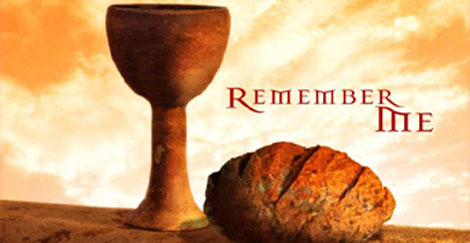
Posted: September 15, 2008 Filed under: You Might be a Calvinist if..., You might be a Fundamentalist if Leave a commentYou might be a Calvinist if… you refuse to partake in the Lord’s Supper because it was being served with grape juice.
You might be a Fundamentalist if… you refuse to partake in the Lord’s Supper because it was being served with wine.
Faith
Posted: September 14, 2008 Filed under: Sundays with Spurgeon Leave a commentNOW that the time has come for me to address you, my beloved brethren, may God Himself speak through me to you!
The subject which I have selected for this address is FAITH. As believers in Jesus, we are all of us of the pedigree of faith. Two lines of descent claim the covenant heritage. There is the line of nature, human efforts, and works, headed by Ishmael, the son of Hagar. We own no kindred there. We know that the highest position to which the child of the flesh can attain will only end in the command, “Cast out the bondwoman and her son: for the son of the bondwoman shall not be heir with the son of the freewoman.” We, brethren, are children of the promise, born not after the flesh, nor according to the energy of nature, but by the power of God. We trace our new birth not to blood, nor to the will of the flesh, nor to the will of man, but to God alone. We owe our conversion neither to the reasoning of the logician nor to the eloquence of the orator, neither to our natural betterness nor to our personal efforts; we are, as Isaac was, the children of God’s power according to the promise.
Now, to us the covenant belongs, for it has been decided-and the apostle has declared the decision in the name of God,-that “to Abraham and his seed were the promises made. He saith not, And to seeds, as of many; but as of one, And to thy seed, which is Christ. . . . And if ye be Christ’s, then are ye Abraham’s seed, and heirs according to the promise.”-Galatians 3:16, 29. We are altogether saved by faith. The brightest day that ever dawned upon us was the day in which we first “looked unto Him, and were lightened.” It was all dark till faith beheld the Sun of Righteousness. The dawn of faith was to us the morning of life; by faith only we began to live. We have since then walked by faith. Whenever we have been tempted to step aside from the path of faith, we have been like the foolish Galatians, and we have smarted for our folly. I trust we have not “suffered so many things in vain.”-Galatians 3:4. We began in the Spirit, and if we have sought to be made perfect in the flesh, we have soon discovered ourselves to be sailing upon the wrong tack, and nearing sunken rocks. “The just shall live by faith,” is a truth which has worked itself out in our experience, for often and often have we felt that, in any other course, death stares us in the face; and, therefore, “we through the Spirit wait for the hope of righteousness by faith.”-Galatians 5:5.
Now, brethren, as our pedigree is of faith, and our claim to the privileges of the covenant is of faith, and our life in its beginning and continuance is all of faith, so may I boldly say that our ministry is of faith, too. We are heralds to the sons of men, not of the law of Sinai, but of the love of Calvary. We come to them, not with the command, “This do, and thou shalt live,” but with the message, “Believe on the Lord Jesus Christ, and thou shalt be saved.” Ours is the ministry of gracious faith, and is not after man, nor according to the law of a carnal commandment. We preach not man’s merit, but Christ crucified.
The object of our preaching, as well as its doctrine, is faith; for we reckon that we have done nothing for sinners until, by the power of the Holy Ghost, we bring them to faith; and we only reckon that our preaching is useful to saints as we see them increase in faith. As faith is in our hand the power with which we sow, and as the seed we sow is received by us by faith, and steeped in faith, so the harvest for which we look is to see faith springing up in the furrows of men’s hearts to the praise and glory of God.

 Gospel-Centered Musings