The Beauty of Adoption: Part Four
Posted: April 28, 2008 Filed under: Adoption, The Beauty of Adoption 2 Comments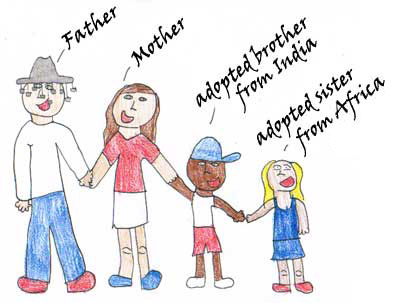 The Scripture passage for this weeks posts, will be from the following.
ESV-Romans 8:12-17- So then, brothers, we are debtors, not to the flesh, to live according to the flesh. 13 For if you live according to the flesh you will die, but if by the Spirit you put to death the deeds of the body, you will live. 14 For all who are led by the Spirit of God are sons of God. 15 For you did not receive the spirit of slavery to fall back into fear, but you have received the Spirit of adoption as sons, by whom we cry, “Abba! Father!” 16 The Spirit himself bears witness with our spirit that we are children of God, 17 and if children, then heirs- heirs of God and fellow heirs with Christ, provided we suffer with him in order that we may also be glorified with him.
This is the Word of God…
The following points this week will be over the following.
Propositional Statement (#, Noun, Application, Action)
I have 4 areas to show the beauty of adoption, so that you the believer may grasp the fullest and highest blessing of the Gospel.
• The Ramifications of the Theology of Adoption– That fact that we as sinners can now say with the Spirit, “Abba!, Father!” shows us exactly what it is that this “adoption as sons,” does for us.
• The Blessings/Privileges of the Theology of Adoption– The believer of the gospel is blessed with privileges that give him the right to inheritance for eternity forever with the family of God. These blessing are beyond measure.
• The Beauty of Christ in Adoption– Christ’s cross has allowed a way for the believer to partake in these blessings and privileges so that we can have the Spirit that cries, Abba! Father!
• The Joy of the Theology of Adoption– Lastly, the fact that we are adopted as heirs to God with Christ should stir up a joy that fills our heart at all times, until we are glorified with Him, which will then be ultimate joy forever.
IV. Instructional Point One- The Ramifications of the Theology of Adoption– That fact that we as sinners can now say with the Spirit, “Abba!, Father!” shows us exactly what it is that this “adoption as sons,” does for us.
A. Illustration- what does the Bible give us?
Look with me at Verse fifteen to see the ramifications that adoption has for the believer. It reads, “For you did not receive the spirit of slavery to fall back into fear, but you have received the Spirit of adoption as sons, by whom we cry, “Abba! Father!”” This adoption is the treating of a stranger as if he were child of a family that is not his own. What child, you. What family, God’s. These ramifications are made crystal clear: God brings ones that are not of his family into being a part of his family. He brings children that are not of his nature, and gives them a new nature. This, however, was an act only of kindness and grace for God to ever allow sinners to come into the right standing before Him and belong to Him. As a member of the family of God being adopted, it is important that one sees that the nature of God’s family is not what he had before. For now, having been given the Spirit that cries “Abba!” one can call upon His father at all times, and is completely in-tune with the Father, God.
B. Application- what does this mean?
What this means is that the believer can cry out to His Father because he bears the image of the spirit of adoption. The believer here can now call to God, “Abba, Father.” This Spirit that is crying out means that the believer can pray to God and have a relationship with Him. This Spirit that is given to teach his family how to pray and reach God in crying out to him for their desires, needs and as well for forgiveness. This is best seen in Christ himself. In Mark 14:36, Christ says, “”Abba, Father, all things are possible for you. Remove this cup from me. Yet not what I will, but what you will.” Christ cried out to God in this way. This is how we today, believers sanctified in Christ, can now cry to God in the same Spirit which Christ did. When the act of adoption takes place, after your justification, you have the Spirit, the Spirit in which cries for you to your Father, Abba! Father! John Murray states, “It is as there is the conjunction of the witness of revelation and the inward witness of the Spirit in our hearts that we are able to scale this principle of faith and say with filial confidence and love, Abba Father.”
C. Interaction- What would that look like?
This means we have full confidence that we can go to the throne of God, our father and call upon Him at all times, when in need, or even when we do not think we are in need. How much more should we hold fast to this truth? That we can draw near to our Father through the Spirit always. This special effect of which we can cry is like no other. For, there is no family like the family of God. We often seek for guidance or pursue counsel from our earthly fathers and find contentment or pleasure in their words of wisdom, but how much more do we have to delight and find all pleasures satisfied in knowing that we can call upon the heavenly Father at all times. For the believer, this is important to see that there is no need for pleading your case, no need for trying to cry out on your own behalf. It is so sweet to know that we alone have the Spirit of adoption as sons, that and cry for us, Abba, Father. And even more than this we can know that in full assurance that we can always. There is no need to doubt your prayers when seeking out your Father. Your Father hears every last word of your cries because of this adoption. This truth of the gospel must been kept close to the heart so that one can feel the comfort in knowing that there is a Father who can be called upon at all times. Forgetting this or not using this in the believer’s life only leads to the lessening of and forgetting about one key component of the gospel, which is for the believer to delight in and find its pleasures.
Sunday’s with Spurgeon
Posted: April 27, 2008 Filed under: Sundays with Spurgeon Leave a comment GOD FINISHES HIS WORK
He who has begun will carry on the work which is being wrought within my soul. The Lord is concerned about everything that concerns me. All that is now good, but not perfect, the Lord will watch over, and preserve, and carry out to completion. This is a great comfort. I could not perfect the work of grace myself. Of that I am quite sure, for I fail every day, and have only held on so long as I have because the Lord has helped me. If the Lord were to leave me, all my past experience would go for nothing, and I should perish from the way. But the Lord will continue to bless me. He will perfect my faith, my love, my character, my life-work. He will do this because He has begun a work in me. He gave me the concern I feel, and, in a measure, He has fulfilled my gracious aspirations. He never leaves a work unfinished; this would not be for His glory, nor would it be like Him. He knows how to accomplish His gracious design, and though my own evil nature and the world, and the devil, all conspire to hinder Him, I do not doubt His promise. He will perfect that which concerneth me, and I will praise Him for ever. Lord, let thy gracious work make some advance this day!
Video of the Week
Posted: April 26, 2008 Filed under: Uncategorized, Video of the Week Leave a commentHow true is this video of us on the Lord’s Day?
Book of the Week
Posted: April 26, 2008 Filed under: Book of the Week Leave a comment;) Dr. R.C. Sproul surveys the great work accomplished by Jesus Christ through His crucifixion—the redemption of God’s people. Dr. Sproul considers the atonement from numerous angles and shows conclusively that the cross was absolutely necessary if anyone was to be saved. Opening the Scriptures, Dr. Sproul shows that God Himself provided salvation by sending Jesus Christ to die on the cross, and the cross was always God’s intended method by which to bring salvation. The Truth of the Cross is an uncompromising reminder that the atonement of Christ is an absolutely essential doctrine of the Christian faith, one that should be studied and understood by all believers.
Dr. R.C. Sproul surveys the great work accomplished by Jesus Christ through His crucifixion—the redemption of God’s people. Dr. Sproul considers the atonement from numerous angles and shows conclusively that the cross was absolutely necessary if anyone was to be saved. Opening the Scriptures, Dr. Sproul shows that God Himself provided salvation by sending Jesus Christ to die on the cross, and the cross was always God’s intended method by which to bring salvation. The Truth of the Cross is an uncompromising reminder that the atonement of Christ is an absolutely essential doctrine of the Christian faith, one that should be studied and understood by all believers.
Christ the Advocate for Sinners
Posted: April 24, 2008 Filed under: Christ, Preaching/Speaking 2 CommentsChrist the Advocate for Sinners
Let me invite you to turn in your Bibles to One John chapter 2, verses 1 and 2. The context of these verses start in chapter one verse 5, but due to time’s sake we will only read our text.
KJV– 1 John 2:1-2 My little children, these things write I unto you, that ye sin not. And if any man sin, we have an advocate with the Father, Jesus Christ the righteous: 2 And he is the propitiation for our sins: and not for ours only, but also for the sins of the whole world.
This is the Word of God . . . .
Introduction- I must start off with saying what a great privilege it is for us as preachers of the gospel to preach a text like this; it is simply life changing when we read passages like this about our Savior Jesus Christ. My first thought after reading this text was how is it possible to fully describe the overflowing amounts of exceeding joys of the gospel that are presented here for the believer? My plan today is to preach these gleams of the gospel found in this text so that you may see Christ as more beautiful and lovelier to your salvation than when you came in here.[1] I will follow John’s own example, by showing the sickness of sin and the truths of Christ. John writes this letter knowing his audience was a well established group of believers who were standing firm to what they knew to be true about Christ.[2] John gets right to the point in why he is writing this letter. We see John’s mood change from that which he had been writing in the previous chapter when he was dealing with the Gnostics. John had to defend areas that were crucial to these believers. In chapter one he was defending the gospel and here in chapter two, he is teaching the importance of the gospel. This is why Christ is shown so magnificently throughout this entire book, and most beautifully in 1 John 2:1-2.
Propositional Statement (#, Noun, Application, action)
Today, let us consider four important truths in seeing and making known how Christ is the advocate for sinners. They are:
*First, Sin is serious. Sin is the problem within all of mankind, and man cannot nor will he ever find remedy from its disease without Jesus Christ.
*Secondly, In Christ we have an advocate. Christ conquered the cross (death, burial and resurrection) so that he might stand in the courts of heaven and plea to his father, being our Great High Priest.
*Thirdly, Christ is our propitiation. This, however, is twofold. First, Christ, when giving himself up on the cross, reconciled us to God. Secondly, this sacrifice satisfied the wrath of God, so that God could allow mankind to stand in front of him clothed in Christ’s righteousness.
* Fourthly, Christ is the propitiation for the sins of the whole world. When Christ died he provided a way that was cross cultural, multi ethnical, and barrier destroying to that which had been previously, namely the law and Jews.
Instructional Point- Sin is serious. It must be clearly understood what sin does in a relationship with God. Sin must be looked at as the absolutely, positively most offensive act against God.
Illustration- what does the Bible give us?
In verse one of our text, when John says, “My little children, these things write I unto you,” what are “these things” that he talking about? Things like in chapter one, verse three, “that ye also may have fellowship with us,” things like in verse four, “that your joy may be full,” things like verse five, “God is light.” Things like “the blood of Jesus Christ his Son cleanseth us from all sin” in verse seven and also these things in verse nine like “and to cleanse us from all unrighteousness” to things in verse ten like, “if we say we have not sinned, we make him a liar.” These are the things which John is talking about when he says, “these things write I unto you.” But why does he write about “these things” at all? He writes them so “that ye sin not.” John’s desire is that believers should strive for the art of perfection and for the pursuit of holiness. Anything short of that is not what they should be striving towards. John wants these people to see the seriousness of sin. Sin is not a part of the loving light that John describes to these believers in chapter one, and he is writing these things in chapter one and later in the book so that they may not sin. Look with me in 1 John 3:4, where we find John’s definition of sin. It says, “Whosoever committeth sin transgresseth also the law: for sin is the transgression of the law.” It says that everyone who makes a practice of sinning also practices lawlessness; sin is lawlessness.
Application- what does this mean?
What this means for the believer is that your sin is sick to God. When you sin, you break the law and that is a serious, serious offense to God. Now, I happened to come across an article in January when reading Charles Spurgeon’s magazine The Sword and the Trowel and I could not think of a better way to help picture exactly what this lawlessness and what the seriousness of sin does to the relationship between man and God. Thomas Brooks wrote this portrait of how we must see sin:
“You shall as soon espouse light and darkness, and marry midnight to the noonday, as you shall espouse or marry a holy God to an unhumbled sinner. Oh, who can look upon sin as an offense against a holy God, as the breach of a holy law, as the wounding and crucifying of a holy Savior, as the grieving and saddening of a holy Sanctifier, and as an eternal loss and undoing of his own soul, and not mourn over it? Oh, who can east a serious eye upon the nature of sin, or upon the exceeding sinfulness of sin, or upon the aggravations of sin, and not have his heart humbled, his soul grieved, and his spirit melted for sin? Oh who, can look upon sin as it strikes at the honor of God, the name of God, the being of God, the glory of God, and the design of God,’ and not have his mouth full of penitential confessions, his eyes full of penitential tears, and his heart fall of penitential sorrow?”[3]
Interaction- what would that look like?
Let me ask you a couple of questions; when was the last time you asked God for the forgiveness of your sins? When was the last time you or anyone you saw wept over their sins? Do people today in your churches even know the seriousness of sin? I hope that you know the seriousness of sin. Denials of truth, deceiving others to get what you want, lusting after another woman on the sidewalk or in the super market, looking at images that are not God honoring, and the greed in wanting something you don’t need – these are all sin. Gluttony in the eating as much of something as much as you would like and the pride of feeling well-liked and well-praised qualify as sin. What about anger and uncontrolled actions when something happens that doesn’t go your way? This is sin! What about the words that express your feelings? What about words and how they are used towards others? Doing someone wrong because life has supposedly dealt you a deck of bad cards is sin. It’s sin and it’s serious. It is serious because it creates a huge barrier in the relationship between you and God. How often do we as the elect forget about our sins and never confess them to God? This is serious in so many ways. It is serious because these sins are part of nature of the devil and do not represent anything of the nature in which Christ died for, bought you, gave you – who you are now. It is serious because when you sin, you are telling Christ that his cross, his death, and his blood were not good enough for you. And it is serious because if you continue in the same sin or sins continually day after day, I tell you, you should wonder about the assurance of your salvation. Have you continued to sin so much that your heart has become hardened, to the point that you don’t even realize that it is sin any longer? The seriousness of sin is more serious than anything, period! It condemns you to hell and without an advocate there is no hope, which leads me to my next point.
Instructional Point –We have an advocate. Not only has Christ finished his outpouring of blood upon the cross in the purchasing of his elect, he now also pleads on behalf of his elect for their forgiveness of sins.
Illustration- what does the Bible give us?
Now look with me to the second half of verse one, “if any man sin, we have an advocate with the Father, Jesus Christ the righteous.” Now when you read this, you almost would think that John is trying to say that you shouldn’t sin, but it is okay if you do, because you have an advocate. To that I would say that is not at all what he is trying to tell his readers. What kind of advocate is this? Read with me in the previous chapter in verse seven, “But if we walk in the light, as he is the light, we have fellowship one with another, and the blood of Jesus Christ his Son cleanseth us from all sin.” From how much sin are we cleansed? We are cleansed from all sin. For it is in the blood of Christ that we the church can be forgiven by God for our sins. So what John is giving us here is that number one, don’t sin and number two, if you do sin, we have an advocate. This here is the center piece of my text. This word here is not used often in the New Testament and when used in all cases, it is used in describing what the Holy Spirit does. But John uses this to display the beauty of Christ as our best friend, our advocate. For starters, I need to give the biblical definition of what an advocate does or what it is. I believe the best definition of this is found in Scripture, in Hebrews 4:14-16. It reads,
“Seeing then that we have a great high priest that is passed into the heavens, Jesus the Son of God, let us hold fast our profession. For we have not an high priest which cannot be touched with the feeling of our infirmities, but was in all points tempted like as we are, yet without sin. Let us, therefore, come boldly unto the throne of grace that we may obtain mercy, and find grace to help in time of need.”
Application- what does this mean?
That is what an advocate is. Do you get that? Does your family get that? Does your church get that? This is what I am trying to describe to you, that when you know you have a sin issue, when you are struggling more than you ever have in your life, when you think your marriage is at its seams because of the selfish decisions you have made, when your kids do not listen because of the times that you have treated them un-Christ-like manner, Christ is there. When you have left God’s side and disobeyed his word time and time again constantly and willingly, Christ will plead for you, if you are his. And if you are not, today may be the day to meet your lawyer. When you have left God’s side and you have nowhere to run, no one to go to help any longer, and nowhere to hide in your sin, and no arms to comfort you, Christ will take care of His own.
When you are discouraged by your present state, depressed about the decisions you have made, feel abandoned because of the barriers you build between God, hurt because of the loneliness that you have created, and abused by the torment of sin in your lives, Christ is there pleading on your behalf. This is why you pray “in Christ’s name.” All of your problems, all of your troubles, all of your asking of forgiveness of sin, are in Christ’s name. This is crucial to praying to God. Christ sets and pleads and intercedes on your behalf. And as sinners you need an advocate.
Interaction- what would that look like?
What makes this the most amazing is the way that Christ’s intercedes for his bride. In the heavens, he is sitting beside his father in perfect communion, and when you pray, and you ask God for forgiveness from what you have done. What do you think happens? You think Christ says, “Well father he’s really sorry this time.” You think he says, “Well he has not lusted in 3 weeks father, or he hasn’t been prideful lately, father.” You think that’s how God works? No! Christ says, “Look at my cross father, look at it. And look at my hands father, you see them, and my feet, you see my side, look at my cross father; look at my cross. My blood purchased these men father, and I plead on behalf of them with my redeeming, purchasing, sin cleansing pure blood father. That is my plea.” And that is your plea every time you pray to God in Christ’s name and ask for forgiveness before the almighty judge. Amen! God forgives you because he looks at your best friend, your lawyer; he looks at Christ’s blood and not you. This brings me to my next point.
Instructional Point- Christ is our propitiation. The one time single act of atonement for sin by the all together perfect, holy, innocent, unstained, and separated- from-sinners sacrifice of Jesus Christ not only reconciles us to God, but satisfies the wrath of God which was upon us.
Illustration- what does the Bible give us?
Look at our text, the first half of verse two. “And he is the propitiation for our sins.” Propitiation is Christ paying the penalty for all your sins, taking on all of the wrath God that you deserve, enduring all of your condemnation, dying in your place and rising from the dead for your salvation, so that he may reconcile you to God. You must know this to have a solid foundation in understanding our advocate, Jesus Christ.[4] This, however, is not a hard thing to understand. No propitiation and no advocate mean that no pleas and no intercession occur and, therefore, there is no forgiveness of sin in the manner and grace that God has allowed today. No wrath bearing Savior, no propitiation, no advocate, no forgiveness of sins, no gospel. This is how God adopts sinners. This is how you are made righteous and blameless before God. Christ’s sacrifice is complete in reconciling you to God’s wrath so that God is happy with His son, and it is what will allow you to one day stand before God! What thankfulness does this God deserve for saving a sinner like you? You were damned in sin, with God’s wrath on your head, you were a servant of Satan, and when God’s sovereign voice called you, it was Christ’s righteousness that you were clothed in, made possible by his being your propitiation.
Application- what does this mean?
R. C. Sproul says on this issue,
“A Substitute has appeared in space and time, appointed by God Himself, to bear the weight and burden of our transgressions, to make expiation for our guilt, and to propitiate the wrath of God on our behalf. This is the gospel. Therefore, if you take away the substitutionary atonement, you empty the cross of its meaning and drain all the significance out of the passion of our Lord Himself. If you do that, you take away Christianity itself.”[5]
He died in our place, taking on the payment for our sins so that we might be reconciled to God. And yes, it was for the glory of God that Christ died so that the wrath of God would be satisfied and that the wrath of God could and would be removed from his elect. Therefore, he may now plead on the behalf of his people. This is twofold, and without one or the other you lose the foundation and the very center of the gospel. This is not controversial, like many make it today. We must stand for the truth of the wrath of God and our wrath bearing Savior.[6]
Interaction- what would that look like?
In the culture in which we live today it is extremely sad that we have leaders, pastors, teachers, and theologians who belittle Christ, the atonement, and the heart of the gospel when they write books with sections in them like this, and I quote;
“The fact is that the cross isn’t a form of cosmic child abuse-a vengeful Father, punishing his Son for an offence he has not even committed. Understandably, both people inside and outside of the Church have found this twisted version of events morally dubious and a huge barrier to faith. Deeper than that, however, is that such a concept stands in total contradiction to the statement: God is love”. If the cross is a personal act of violence perpetrated by God towards humankind but borne by his Son, then it makes a mockery of Jesus’ own teaching to love your enemies and to refuse to repay evil with evil.”[7]
Let me quote a few more; “there is a need to construct a new paradigm of the atonement in the 21st century; the sacramental model is flawed.”[8] Another one, “on the cross, God was not punishing Jesus.”[9] And one more argues that our view is, “the moral equivalent of the killer who murdered Amish children at the Pennsylvania schoolhouse.”[10]
Some of these quotes came from what once was a Reformed publishing house. Now today they have left the very center of what they once stood upon. And as reformed believers, students, and professors of the truth and the gospel we must stand firmly against issues that are utterly false to our Propitiation, Jesus Christ. If there is no wrath-satisfier, then there is no gospel.
And without the correct understanding of this, Christ’s person and work are belittled and distorted. Listen to me, the loss of this doctrine is nothing but the loss of the gospel. And to someone who would say such junk as this, I would read to them John’s other place that he mentions propitiation in his book, in 1 John 4:10, it sates “In this is love, not that we have loved God but that he loved us and sent his Son to be the propitiation for our sins.” For God is love, it is his very love that Christ did die! How beautiful is this that it was because of God’s love, this propitiation did take place. It was because of God’s love that Christ took on your entire wrath, it was because of God’s love that he reconciled you to himself, and it was because of God’s love that you didn’t hang on a cross, whipped, beaten, mocked, scorned, spit on and that you were not murdered naked and nail upon a cross. It was God’s love that allows you to sit here today and know Christ, see Christ, savor Christ, live for Christ because of the propitiation of Christ. The loss of this doctrine is nothing but the loss of the gospel.
Instructional Point- Christ is the propitiation for the sins of the whole world! This propitiation for sinners reaches to all nations, all countries, all states and provinces, all cultures, all colors, all types, and all different groups of the world.
Illustration- what does the Bible give us?
As we draw to an end, follow with me in the last portion of our text in verse two, “and not for ours only, but also for the sins of the whole world.” This does not mean Christ purchased every soul at the cross. It means that whoever comes to him in repentance and belief has limitless access to the benefits of his gospel, his atoning death, his blood, and his cross. It is open for all.
Application- what does this mean?
This is crucial to living out what Christ has given us, the gospel. Understanding the sickness of sin and knowing that his propitiation has allowed him to become the advocate of his elect should not call us to sit in our pews and rest in only knowing about the great benefits of Christ. That is not what the gospel does. And that most certainly is not what it has done for you. We must preach Christ to the whole world. His elect are scattered throughout this world in remote places, so that those who know the gospel can reach those who need to be reached. Are we reaching them? Are we reaching our hands out to further the ministry of the gospel to which Christ so willingly gave his life for? Are we preaching the gospel freely to those who might have not yet received it? Or are we happy and content in the comfort zone of our everyday circles of Christianity and denominations? The gospel is that all that repent and believe on Him should not perish but have everlasting life. Is that your life today? Do you want to see others come to this Christ? Do you want to preach this good news to those who may have not heard or even to those who do not want to hear? Must I ask, when was the last time you offered the gospel to someone? Or should I ask this: do you only offer the gospel to those that you want to or do you only offer the gospel to the small groups society where you feel most comfortable?
Interaction- what would that look like?
Christ’s gospel is not cultural, and it is not only meant for one solid group of reformed individuals. If you want to live out the gospel then live out what you believe. You must preach it to all of mankind. The gospel is wealth to the poor, it is a home to the needy, and it is sight to the blind. What about the punk with chains all down his pants, the goth with black lips, what about the rich and prideful, the obese, the divorced woman with 5 kids, the homeless, the drug-addict, the alcohol-abuser, the tattooed freak, the wife beater, the “trailer park trash”, the prostitute, the orphan, the pimp, the adulterer? And the list goes on. And I ask where they are in our churches? They are sitting right outside, waiting for the gospel. Do we have them in our churches today? Or should I ask, would you have them in your churches today? Sadly, I am afraid that many of our conservative mainstream churches would never desire to deal with these issues or these types of people because of the problems they may bring. But oh, I tell you that the gospel of Christ has been offered to them all. They sit in our cities and our towns every day here in America waiting to hear Christ. We as the bride of Christ need to live out what saved us, the gospel of Christ. And if we do not reach them, we are not living a gospel-centered life like Christ did and has offered to all of us today. Must I remind you that the only reason that you sit here today and are not one of them is because of the gospel? Must I ask you, are you living out the gospel?
Conclusion- When will the church see this? When will the culture of lost men see the hope that lies in Christ, our advocate and our propitiation? Oh, what is more beautiful than this? I am asking now, tell me one thing greater, one thing more beautiful, one truth that surpasses this; I want one! There is none! There is nothing greater in life than the gospel. It is great to the lost, it is great to those young in the faith, it is what is great to the experienced believer, and it is what the old saint depends on in his later years. And in ending, we must know these truths of the Scripture so that we can carry out Christ’s message to this world. Sin is sick, and it has dragged mankind down to the state which he is in today. Sin has captured many souls over the years and is doing so as we speak. As John says, “And if any man sin, we have an advocate with the Father, Jesus Christ the righteous.” We have a Savior who has given the perfect sacrifice that can redeem those lost sinners, just like he did for you. His death on the cross on which He bore the sins of many has given hope to us and many more that will come to Christ before his return. Christ has reconciled his elect to his father and drank the cup of wrath so that God may forgive you. And he did this for the world. Amen!
[1] This will be hard to do, with already having Dr. Beeke, Dr. Murray, and Rev. Lanning having preached this text before.
[3] Thomas Brooks, The Sword and the Trowel, vol. 7, 1884, p. 403.
[5] R. C. Sproul, The Truth of the Cross, (Orlando, Reformation Trust, 2007), p. 81.
[6] Isaiah 53: 4-6, 10, Romans 8:3, and Galatians 3:13
[7] Steve Chakle and Alan Mann, The Lost Message of Jesus, (Grand Rapids: Zondervan, 2003), p. 182-3.
[8] Brad Jersak and Michael Hardin, eds., Stricken by God? Nonviolent Identification and the Victory of Christ (Grand Rapids, MI: Eerdmans, 2007), p.14.
[9] Jersak, Stricken by God?, p. 31.
[10] Hardin, Stricken by God?, p. 55.
The Beauty of Adoption: Part Three
Posted: April 23, 2008 Filed under: Adoption, The Beauty of Adoption Leave a commentThe Canonicity of the Pauline doctrine of Adoption
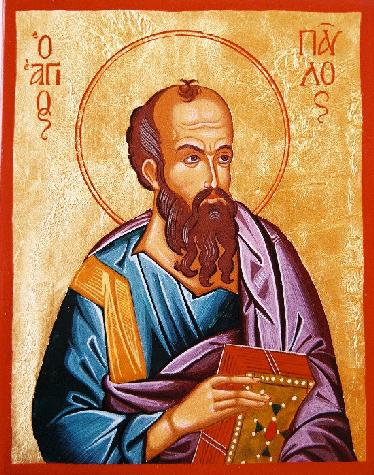 Paul, in Romans 8:15 – 17, states:
“For you did not receive the spirit of slavery to fall back into fear, but you have received the Spirit of adoption as sons, by whom we cry, “Abba! Father!” The Spirit himself bears witness with our spirit that we are children of God, and if children, then heirs- heirs of God and fellow heirs with Christ, provided we suffer with him in order that we may also be glorified with him.”
By using the term “adopted as sons” to gentiles, Paul created the image of what exactly had happened at the act of justification for the believer, which was having become a part of the family of God. Paul used this to show that the believer at the time of justification took on all privileges of the family in becoming a child of God. Paul’s purpose here is different from all other writers in the New Testament who speak of “adoption”. Whereas John uses the phrase “sons of God” to express the new relationship between God and believers, Paul uses “adoption” to also include the benefits of being a “son of God.” To state it again, Paul’s concern is not being a son of God but the result of being a son of God. This is why he is the only writer who uses the term “adoption” and shows here in this text that the believer has the Spirit who cries, “ABBA” in our hearts to the Father. In the Old Testament, the Israelites did not need this full confidence to call upon their father. Here Paul gives us the main concern of the text: the believer has all certainty in calling upon the Father with the Spirit that cries, “ABBA.”
Calvin also elaborates on this doctrine, coming to the same conclusion: “but now, since an entrance has been opened to us by the blood of Christ, we may rejoice fully and openly that we are the children of God.” Calvin goes on in his commentary to bring home the reasoning behind using this term adoption. It is not to that the believer is given a better status by being adopted, but that the believer has the benefits, blessings and all the privileges of being in the family of God. Calvin again makes this clear when he says, “our spirit is made assured of the adoption of God… For when the Spirit testifies to us, that we are the children of God, he at the same time pours into our hearts such confidence, that we venture to call God our Father.”
There are three examples of how Paul uses the term “adoption” throughout the New Testament to explain the reasoning of adoption and bring home to the first-century believers the reality of the being adopted into God’s family, some of which I will briefly cite. My first example is in Romans 9:4, which demonstrates the difference between the “adoption” in the Old Testament and what it means now for the believer in the New Testament. Paul uses this term adoption saying, “4 They are Israelites, and to them belong the adoption, the glory, the covenants, the giving of the law, the worship, and the promises.” Paul is telling them that the sense in which Israel was adopted was different from that which now exists in Christ. Paul means to show the Romans that salvation now adopts men differently than it did under the old dispensation. Whereas before God had called in covenant a whole nation under his blessing to partake in this adoption, now today God makes particular who is his in adopting them with the sealing of the Spirit. Paul uses the words “holy”, “covenants”, “service”, and “promises” to show that the adoption in the Old Testament is not the same as what is now given to the gentiles.
The second meaning Paul gives to the term “adoption” is that adoption is the way in which believers are relieved of the burden of law-keeping as a way to justify themselves. In Galatians 4:5 he says, “…to redeem those who were under the law, so that we might receive adoption as sons.” Here he tells the church that once they were of another family, i.e. the family of Satan. For what is not of the family of God is still a part from which it is born; this is the nature of Satan, a nature that follows its own desires and does what it pleases. Paul shows that they (the readers of this text) had been redeemed from the law that they thought they had to still follow in order to be a part of the family of God. Paul shows them in verse four the reason that they do not to look to the law for redemption saying, “God sent forth his Son, born of woman, born under the law,” then he reveals to them the great doctrine that they now belong to in verse five saying, “to redeem those who were under the law.” Paul then gives the gospel, letting them see that they are adopted into God’s family saying, “so that we might receive adoption as sons.” Paul explained to the readers of his letter that they are the ones who were the offspring of another family from which God graciously brought them out of and into his own family. (This reaffirms what we saw in Romans 8:15-17, in that this is the only way possible for man to be adopted into the family of God.) But more, he does this next in verse six, saying exactly the point of his theology of adoption saying, “And because you are sons, God has sent the Spirit of his Son into our hearts, crying, “Abba! Father!” That he wants them to see that Spirit of God is what confirms them in their relationship to the family of God. Paul wants them to see this term of kind word that only children can say to their father, “ABBA.” Being a part of the family of God and having this Spirit is essential to justification and salvation; these are necessary in order to be free from the law.
Lastly, Paul uses “adoption” in Ephesians 1:5. Here Paul does not change, but brings out the beauty of the Father even more, and again reveals that they have been predestined to partake in this great doctrine of adoption. Paul explains to them the new nature that God has given them, focusing on the fact that this new nature is the nature and image of Christ himself.
Without knowing this gospel truth of adoption and the importance of it, one cannot glorify God to his highest ability that he could, as one is able to when he knows this benefit of being able to cry, “ABBA” to the Father. With this, we may look at the center passage of Paul’s theology of adoption and focus on the truths for the believer to be more satisfied in the family of God, and most of all glorify God to his fullest, in seeing and knowing the joy of Christ in adoption.
The Beauty of Adoption: Part Two
Posted: April 22, 2008 Filed under: Adoption, The Beauty of Adoption Leave a commentThe History of Adoption: Physical and Spiritual
 As far as the Old Testament laws given to the Hebrews, there is not any law recognizing the issue. This was most likely due to the culture of the Old Testament itself. First, polygamy allowed men to marry several wives at a time, which would not lead to any need for adoption. Then secondly, the levirate marriage law provided a way or a means that a family could have heirs to inherit the family’s property. For these reasons, there was no need to create laws for the act of actual physical adoption during their times.
In regards to spiritual adoption, however, it is clear in the language of the Old Testament that God had ‘adopted’ his chosen people. The national covenant that God bestowed on Israel as a nation neither saved them nor gave them saving grace that would give them a right to the heavenly inheritance in which they were wanting to receive. Look closely at Exodus 4:22, “Then you shall say to Pharaoh, ‘Thus says the LORD, Israel is my firstborn son, Jeremiah 3:14, Return, O faithless children, declares the LORD; for I am your master; I will take you, one from a city and two from a family, and I will bring you to Zion”, and explicit passages like the one in Jeremiah 31:20, “Is Ephraim my dear son? Is he my darling child? For as often as I speak against him, I do remember him still. Therefore my heart yearns for him; I will surely have mercy on him, declares the LORD.” Passages like these reveal that God had brought his children under his law and his grace so that they would be able to serve and fear their Father. Paul saw this connection and says in Romans 9:4, “They are Israelites, and to them belong the adoption, the glory, the covenants, the giving of the law, the worship, and the promises.”
For the New Testament believers, physical adoption was a common practice within Roman culture and society. For Roman citizens, adoption of an heir in the case of childlessness was a religious necessity, and so adopting even adults was not an unusual event. Also, it was common that families who had their own biological children would adopt them out to families of a higher social status so that their sons may have a better life.
The spiritual sense of adoption in the New Testament also had an altogether different meaning from what it was in the Old Testament. What was once meant only for a particular nation, was now extended only to individuals. This is further seen in Paul’s theology throughout his writings to the churches. This term, “adoption”, became a way that Paul related to his fellow brothers their new relationship with one another as a result of what Christ had done at the cross, which was to make them heirs with him. This is laid out in his theology of the doctrine of adoption.
The Beauty of Adoption: Part One
Posted: April 21, 2008 Filed under: Adoption, The Beauty of Adoption 2 CommentsThe Introduction of the Theology of Adoption
 The doctrine of adoption is one of, if not the most, overlooked doctrines within soteriology. In general, when expanding upon the doctrine of salvation, people easily include election, effectual calling, regeneration, faith, justification, assurance, sanctification, and finally glorification. Yet believers never mention the doctrine of adoption, or in many cases, many might not even know that the doctrine even exists as an essential component of salvation. The doctrine of adoption as stated in the Baptist Confession of faith is:
“All those that are justified, God vouchsafed, in and for the sake of his only Son Jesus Christ, to make partakers of the grace of adoption, by which they are taken into the number, and enjoy the liberties and privileges of the children of God, have his name put upon them, receive the spirit of adoption, have access to the throne of grace with boldness, are enabled to cry Abba, Father, are pitied, protected, provided for, and chastened by him as by a Father, yet never cast off, but sealed to the day of redemption, and inherit the promises as heirs of everlasting salvation.”[1]
Adoption is the fact that Christ’s atoning blood purchases the elect’s souls so that they might become a part of the family of God. When the elect receive the Spirit they then become children of God and assume all the benefits that Christ bought for them at the cross. This adoption not only brings a sinner into the family of God but makes him a joint heir with Jesus Christ, God’s son. Sinners formerly destined to hell are now allowed to partake in all benefits of the gospel such as fellowship with the Father (God), the guidance of the Holy Spirit, the witnessing presence of the Holy Spirit, a future of glorification, and an inheritance to all things. This is how the believer can say with Paul in Romans 8:15 and 16, “For you did not receive the spirit of slavery to fall back into fear, but you have received the Spirit of adoption as sons, by whom we cry, ‘Abba! Father!’ The Spirit himself bears witness with our spirit that we are children of God.”
I believe Herman Witsius says best what this act of spiritual adoption means for the elect in his introduction:
“That they may enjoy the benefits both of grace and glory, not only by the favor of friendship, but also by a right of inheritance… To express tranquility of conscience, of scripture calls it peace: to shew us the pleasantness of familiarity, it calls it friendship: and when it illustrates a right to the inheritance, it speaks of adoption.”[2]
[1] The Baptist Confessions of Faith (Sterling: GAM Publications, 1996), p. 26.
[2] Herman Witsius, The Economy of the Covenants Between God and Man: Comprehending a Complete Body of Divinity, Vol. I (Phillipsburg, NJ: P & R Publishing, 1990), p. 442.
Sunday’s with Spurgeon
Posted: April 20, 2008 Filed under: Sundays with Spurgeon Leave a comment BY FAITH NOT FEELING
“The just shall live by faith” Romans 1:17
I shall not die. I can, I do believe in the Lord my God, and this faith will keep me alive. I would be numbered among those who in their lives are just; but even if I were perfect I would not try to live by my righteousness; I would cling to the work of the Lord Jesus, and still live by faith in Him and by nothing else. If I were able to give my body to be burned for my Lord Jesus, yet I would not trust in my own courage and constancy, but still would live by faith. “Were I a martyr at the stake I’d plead my Savior’s name; Intreat a pardon for His sake, And urge no other claim.” To live by faith is a far surer and happier thing than to live by feelings or by works. The branch, by living in the vine, lives a better life than it would live by itself, even if it were possible for it to live at all apart from the stem. To live by clinging to Jesus, by deriving all from Him, is a sweet and sacred thing. If even the most just must live in this fashion, how much more must I who am a poor sinner! Lord, I believe. I must trust Thee wholly. What else can I do? Trusting Thee is my life. I feel it to be so. I will abide by this even to the end.
Sunday’s with Spurgeon
Posted: April 13, 2008 Filed under: Uncategorized Leave a comment
This Body Fashioned Anew
Philippians 3:21 Who shall change our vile body, that it may be fashioned like unto his glorious body.
Often when we are racked with pain, and unable to think or worship, we feel that this indeed is “the body of our humiliation,” and when we are tempted by the passions which rise from the flesh we do not think the word “vile” at all too vigorous a translation. Our bodies humble us; and that is about the best thing they do for us. Oh, that we were duly lowly, because our bodies ally us with animals, and even link us with the dust! But our Savior, the Lord Jesus, shall change all this. We shall be fashioned like His own body of glory. This will take place in all who believe in Jesus. By faith their souls have been transformed, and their bodies will undergo such a renewal as shall fit them for their regenerated spirits. How soon this grand transformation will happen we cannot tell; but the thought of it should help us to bear the trials of today, and all the woes of the flesh, In a little while we shall be as Jesus now is. No more aching brows, no more swollen limbs, no more dim eyes, no more fainting hearts. The old man shall be no more a bundle of infirmities, nor the sick man a mass of agony. “Like unto his glorious body.” What an expression! Even our flesh shall rest in hope of such a resurrection!
Vintage Jesus: 10, 11 & 12
Posted: April 12, 2008 Filed under: Mark Driscoll, Vintage Jesus Leave a comment Chapter 10- What makes Jesus superior to other saviors?
Mark in relating cultures and societies helps show and revel Christ supremacy over all things. Showing how often people look at Jesus marks shows how God and Christ are Savior and the only one. Christ is shown the savior of the world, the Jews, the church, savior to all people, those who are lost who are sinners. Jesus saves mankind being the savior over sin, death, Satan and hell. Mark ends this book in showing how often America looks for other saviors. These act as little saviors, food savior, look savior, happy savior but need seem to grasp the importance of the Savior. America will often find anything they can to save people from what they fear or dislike. What is often sad is that many never come to seeing the Savior Jesus Christ who can save mankind for all they need.
Chapter 11- what difference has Jesus made in History?
Mark here proves that there is no greater one person that has live and impacted the culture, than Jesus Christ. No one man has ever changed history during their time and impacted all of history, this is what Mark shows. Mark gives many quotes from what history and popular people of today’s culture of what other think of this Jesus. Mark goes through different areas of culture like; children, women, mercy, salves, education, America, science, economics, medicine, art, charity and atrocities to show how Christ has impacted them. I would say that this chapter should be a must read to see the things that often pass through the believer’s mind in how they live and what they live around. It important to think, how Christ impacted the areas of his culture and time so that we as Christians, “mini-christs’” can do the same. The believer should try as much as possible in not leaving their own legacy like that of Christ, but leaving a legacy for Christ.
Chapters 12- what will Jesus do upon his return?
With the till of the chapter, Mark address how great the glorious return of Christ shall be, what Jesus is coming to do, and most of all my favorite section in this chapter, Christ making all things new. As believer’s we should often take the time to think and dwell upon how Christ one day will make all things new and then only we can enjoy Him for who is truly is in perfect worship and communion forever. Mark in ending his book addresses one ending question that I found important.
“How should we live until Jesus returns?” Jimmy Carter once said, “We should live our lives as though Christ was coming this afternoon.”
This is important in making the Gospel glorious for the believer’s own life. When the believer sees the coming Christ they will see the supremacy of Christ over all things. May you as well enjoy Christ, but enjoy his coming more and more everyday that you live on earth.
Book of the Week
Posted: April 11, 2008 Filed under: Book of the Week 2 CommentsThis week’s book(s) of the week can be checked out on Sheperd’s Scrapbook. Take a look at Crossway’s reprinting of the 6 volume Francis Schaeffer’s works!
Extra Theology
Posted: April 11, 2008 Filed under: Dispensationalism, Reform Theology, Systematic Theology, Theology 2 CommentsThese were some links on my old blog that I would like to carry over, in case one might want to use this as a data base. They are listed below.
Christ

Eschatology
Reformed Theology
Theologians
Posted: April 11, 2008 Filed under: Theologians, Theology Leave a commentSince I will not have a link dedicated to Theologians and their work, I have decided to make one post over all the past Theologians I had on my side bar of my previous blog. Here they are; you can click on their name, which will then lead you to a cite of their works and that have much “must read” information about them. Enjoy!
- Andrew Bonar
- Anselm of Canterbury
- Arthur Walkington Pink
- Charles Spurgeon
- Cornelius Van Til
- Edward Payson
- Geerhardus Vos
- Herman Bavinck
- J. C. Ryle
- James Boyce
- James Ussher
- Jeremiah Burroughs
- John Bunyan
- John Calvin
- John Frame
- John Gill
- John Owen
- John Piper
- Jonathan Edwards
- Martin Llyod Jones
- Martin Luther
- R. L. Dabeny
- Thomas Boston
- Thomas Goodwin
- Thomas Manton
- Thomas Watson
- Vern Poythress
- William Cunningham
Vintage Jesus: 8 & 9
Posted: April 6, 2008 Filed under: Mark Driscoll, Vintage Jesus Leave a comment Chapter 8- Where is Jesus today?
Mark here in chapter eight starts by describing how Jesus is everywhere in today’s culture. Here Marks shows on how all of the Scriptures are on and about and show as well how they were about Jesus. Mark gives this chapter in brief sections that many people might not know about Christ. Although they are simple it is great to read and remember our Lord and Savior, Jesus Christ. They are broken in to answering how Jesus ascended into heaven, how Christ is departed from his believer’s here on earth, Jesus sitting at the right hand of God, Jesus sitting on his thrown as Lord over all things, How Christ rules over all things. From there he shows the glory of Christ in how he pleads for his believer’s, how Christ is gives his spirituality to his believer’s, what Christ is doing now in the heavens, how Christ is enjoying the glory in the heavens and how Christ is spreading the Gospel throughout this world.
Chapter 9- why should we worship Jesus?
Mark begins this chapter in describing how he loves football and how he enjoyed attending a Seahawks game. From there he brings up the issue of how many people enjoy things often more than Jesus. Mark does a great job in showing what exactly worship is and how we are to do it, for Christ. From giving examples of how many may worship Christ but not doing it in a great manner. The later part of this chapter Mark gives a great section on how we today in the postmodern era can delight in worshiping the Lord, Jesus Christ. He ends in a wonder thought saying, “Through the worship of Jesus Christ alone there is joy, freedom, holiness, and life. Only by worshiping God our Creator are we free to enjoy creation by rightly eating, drinking, sleeping, playing, working, laughing, loving, weeping, marrying, parenting, living, and dying to the glory of God.” It should be said of Christ followers that they enjoy Christ their creator, in all things for the sake of His name, and nothing else!
Sunday’s with Spurgeon: ONE KING, ONE LORD
Posted: April 6, 2008 Filed under: Sundays with Spurgeon Leave a comment “And the Lord shall be king over all the earth: in that day shall there be one Lord, and his name one” Zechariah 14:9
Blessed prospect! This is no dream of an enthusiast, but the declaration of the infallible Word. Jehovah shall be known among all people, and His gracious sway shall be acknowledged by every tribe of man. Today, it is far from being so. Where do any bow before the Great King? How much there is of rebellion! What lords many, and gods many, there are on the earth! Even among professed Christians what diversities of ideas there are about Him and His gospel! One day there shall be one King, one Jehovah, and one name for the living God. O Lord, hasten it! We daily cry, Thy kingdom come.
We will not discuss the question as to when this shall be, lest we lose the comfort of the certainty that it shall be. So surely as the Holy Ghost spake by His prophets, so surely shall the whole earth be filled with the glory of the Lord. Jesus did not die in vain. The Spirit of God worketh not in vain. The Father’s eternal purposes shall not be frustrated. Here, where Satan triumphed, Jesus shall be crowned, and the Lord God Omnipotent shall reign. Let us go our way to our daily work and warfare made strong in faith.

Mel, this pic is for you!
Vintage Jesus: did Jesus rise from the dead?
Posted: April 6, 2008 Filed under: Mark Driscoll, Vintage Jesus Leave a comment Mark here begins this chapter with a story of someone that he had known that knew they were going to die. He then takes the story of a young man named Dustin who face death and faced it knowing that he had a better life to come to then taking a look at the facts of Christ dying on the cross. Mark quickly talks about his Christ death was foretold, that Christ himself even foretold about how his own death was to happen, Christ death its’ self, Christ being buried, Christ appearance after his death, the actual events that took place in showing Christ after his death, the creeds that professed that Christ did raise from the dead, showing how then that the believer is to worship the living Christ and Paul taught this in the truths that are in the Gospel. From there Mark shows that the disciples themselves saw this being the center of what they believed and how the church was to love and worship this out in life. Mark ends this chapter with a charge for those who believe in Christ to as well not only believe but live for Christ saying, “nonetheless, many people believe in the historical fact of Jesus’ resurrection but have not become Christians by placing their personal faith in him.”
Vintage Jesus: Chapter’s 4, 5 & 6
Posted: April 5, 2008 Filed under: Mark Driscoll, Vintage Jesus 1 Comment I had been writing reviews of Mark Driscroll’s Vintage Jesus. Being that I have been busy getting things around for going to the Alliance conference in Atlanta, I have been unable to keep up with my blogging like I would like to. But now in my hotel I am going to catch up a few chapters of the review, going over chapters 4, 5 and 6.
Chapter 4- why did Jesus come to earth
Here Mark goes over in dealing with why exactly do people celebrate Christmas for. In doing so he goes over the areas of Christ being Prophet, Priest and king. He touches on areas of today’s culture in how fundamentalist, evangelicals and liberals see these offices of Christ and how they have affected people’s view of Christ. One of the most important areas of this chapter I saw was how some often see things in a prideful way. Mark says this, “The result of a double life of hypocrisy in which we call Jesus Lord, call his Word true, and then do whatever we want in some areas of our life…” How often we as believer’s need to look at ourselves and know and see in our very own lives that everything we have and everything we do as believer’s and follower’s of the Gospel, we do in and through and for Christ!
Chapter 5- Why did Jesus mom need to be a virgin?
Here Mark deals with how many people do not see the necessity of the virgin birth. One area that struck me right away was the quote of Larry King when asked if he could interview anyone in history he said, “Jesus Christ,” and what would he ask him? King said, “I would like to ask him, if he was indeed virgin born.” It is funny how some actually have a small and sad view of the inerrancy of Scripture. But Mark addresses that when he deals with Rob Bell’s statements on if we could believe if Christ was born of a virgin birth, if we knew he had a biological father form DNA. Mark answer’s that no matter what man my find in DNA the Scriptures are infallible and for that, Christ was born a virgin. Mark does this in explaining that virgin birth was a normal birth like any other. From there he address questions that may be asked in today’s 21st century like, was Mary always a virgin? Was the virgin birth a myth? Does virgin birth mean deity of Christ? How is sin nature passed? Did Mary sleep with God? Is this an important issue? And lastly going over an important issue with how we as believers must see Mary.
Chapter 6- What did Jesus Accomplish on the cross?
What did Jesus do? Mark explains the importance of the center of the gospel in this chapter. Now that I have read the entire book, I would say this is the heart of this book, as well as the gospel. Here Mark lays out the propitiation of Christ and what it is exactly in it twofoldness. 1. Christ pleasing the wrath of God, and 2. Christ reckoning man to God. In a culture that often overlooks and dismisses the wrath pleasing Jesus that pleased his father taking on all the wrath of God for mankind, this here is what must be stood on. As John Knox said, “remembering Jesus is to first remember the cross.” This is not only important for the new convert but for the believer to preach to him every day. This here in pages 114-20 is the center piece of not only Mark’s book but, the center of Christianity in what the believer, believes! And I would say it is the must read section of this book.
Vintage Jesus: How did people know Jesus was coming?
Posted: March 31, 2008 Filed under: Mark Driscoll, Vintage Jesus Leave a comment This chapter (#3) does not at all seem as if Mark is writing it. Just didn’t seem like the normality of his style. The chapter was great in material. It is clear from the beginning that Mark is not a dispy in any means; I am referring to his view of the Old Testament. One paragraph that stood out to me a great deal was said as the following,
“Jesus also models for us a proper use of the Old Testament, by which he alone is the hero and theme. Following his resurrection from death, Jesus showed how all that was written by Moses, the prophets, and the Psalms was ultimately fulfilled by him alone. Therefore, in this chapter we will follow both the instruction and example of Jesus by examining twenty-five Old Testament prophetic promises given to hundreds and thousands of years before the fulfillment of Jesus.”
Mark then from that stop of his writing, goes into these wonderful fulfillments by Christ giving a PROMISE section for each one, then giving the FULFILLMENT section for the understanding in how the Old Testament was fully about Jesus Christ.

 Gospel-Centered Musings